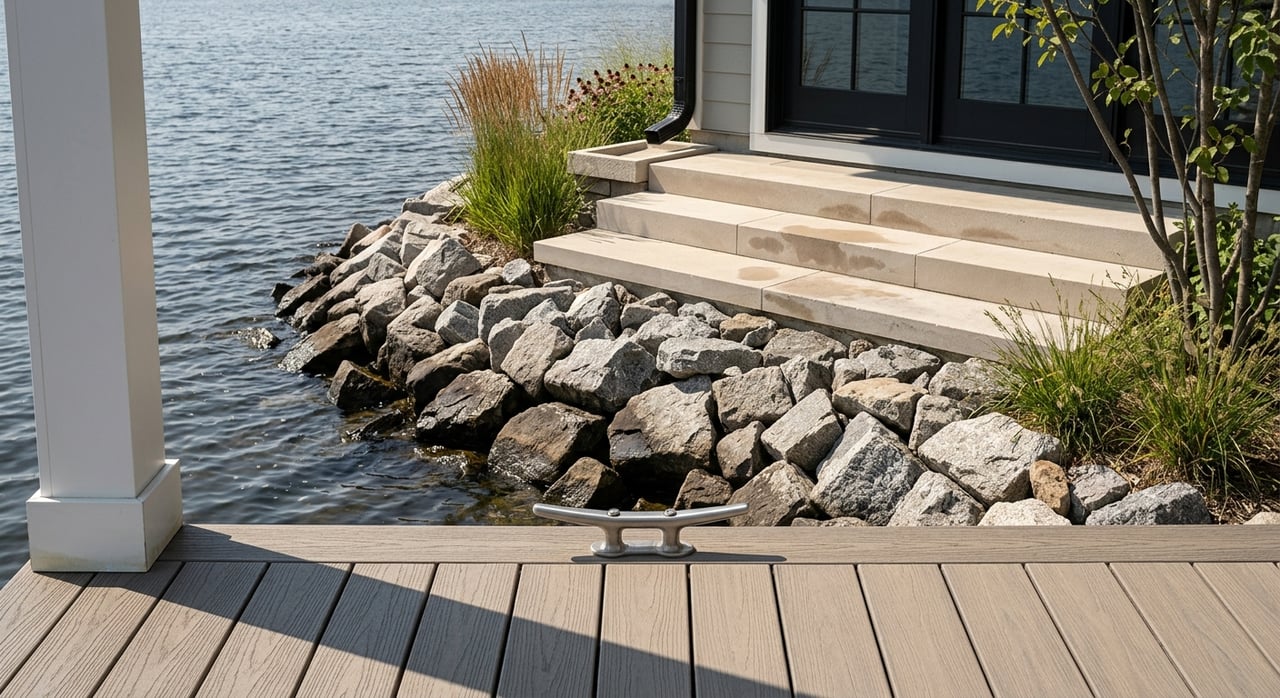
If you have ever fallen in love with a Lake Minnetonka view, you know how quickly emotion can take over. In Orono, that feeling is real, but so are the rules, site limits, and maintenance details that can shape how you actually use a lakefront property. When you understand those pieces early, you can buy with more confidence and avoid expensive surprises later. Let’s dive in.
Why Orono lakefront is different
Orono lakefront homes sit in a setting that is both beautiful and tightly managed. The city is along the north shore of Lake Minnetonka, and it lies entirely within the Minnehaha Creek Watershed District. Orono’s surface water planning is designed to address flooding, erosion, sedimentation, groundwater recharge, and habitat protection.
That matters because buying lakefront in Orono is not just about the house. It is also about how the land, shoreline, stormwater, and water access are regulated over time. On a lake as active and heavily used as Lake Minnetonka, those details can affect daily enjoyment and future improvement plans.
Lake Minnetonka is more than 14,000 acres, and lakewide rules are coordinated through the Lake Minnetonka Conservation District, often called the LMCD. So if you are comparing homes in Orono, two properties with similar views may come with very different rules for structures, docks, and shoreline use.
Shoreland rules to understand first
One of the biggest things to verify is whether the property falls in Orono’s Shoreland Overlay District. This district covers land within 1,000 feet of lakes and 300 feet of certain creeks. In these areas, site standards can affect hardcover, land changes, and how close structures can sit to the water.
For Lake Minnetonka frontage, Orono’s current guidance shows a 75-foot setback from the ordinary high water level for structures, with limited exceptions for low patios and similar features. The city also says no buildings may be placed lakeward of the average lakeshore setback, except for narrow exceptions. If you are thinking about adding onto a home, changing outdoor living space, or rebuilding in the future, this is a major due diligence item.
Even projects that seem simple may trigger approvals. Orono uses a layered land-use process, and some work may require a zoning permit even when a building permit is not needed. Grading, patios, retaining walls, and other land-alteration work can fall into that category.
Dock rights are not automatic
A common mistake buyers make is assuming every lakefront property offers the same dock setup or boating flexibility. In reality, dock use often depends on deeded rights, shoreline frontage, water depth, historic use, and whether any shared rights or easements apply. That is why dock due diligence should happen early, not after closing.
Minnesota recognizes riparian rights for shoreland owners, including the right to wharf out to navigable depth. But those rights must be used reasonably and cannot obstruct others. On Lake Minnetonka, LMCD guidance adds another layer, especially for parcels affected by easements or shared riparian rights.
If a property includes an easement, the exact language matters. Easements can affect dock use, setbacks, and watercraft density. In some cases, they may also shape who can use the dock area and how many boats are allowed.
Questions to ask about dock use
Before you move forward on a lakefront purchase, ask for clarity on:
- Whether the property has deeded lake access or shared access
- Whether any easement creates shared riparian rights
- How much shoreline frontage is recognized for dock use
- Whether the current dock setup matches LMCD rules
- Whether any variance affects the dock use area or allowed watercraft count
- Whether the seller has records that show historic dock placement or approvals
These questions help you separate true lakefront utility from simple lake proximity. That distinction can make a big difference in value and lifestyle.
Dock size and boat limits can vary
At the state level, many private docks can be installed without a DNR permit if they meet certain standards. In general, they must be narrow, avoid creating hazards, avoid functioning like a marina, and comply with local rules. The DNR also recommends using the smallest dock that reasonably meets access needs.
On Lake Minnetonka, the LMCD applies its own standards. Docks, decks, and platforms must fit within an authorized dock use area. LMCD guidance says these structures may exceed 8 feet in length or width, but not both.
The number of allowed watercraft is not one-size-fits-all either. LMCD ties dock length and watercraft counts to shoreline footage, lot history, and whether an easement or shared riparian right exists. Site-specific variances can also permanently change dock use areas or the number of watercraft allowed.
Water depth matters more than shoreline footage
A long stretch of shoreline can look great on paper, but that alone does not tell you whether your boat will work well at the property. Lake Minnetonka water depth varies by bay, season, and precipitation. LMCD notes that in some locations, fall water levels can be about 12 inches below ordinary high water.
That is important if you own a larger boat or plan to buy one. A property may technically have lake access and dock rights, but shallow water can limit how practical that access feels during parts of the year. Unused dock areas can also accumulate sediment over time.
What to compare before you buy
It helps to compare:
- Your boat’s draft
- Actual water depth at the dock area
- Typical seasonal water variation
- Whether sediment buildup has affected use
- Whether the dock location still matches current conditions
This kind of review gives you a much clearer picture than shoreline footage alone.
Shoreline care comes with rules
Many buyers picture a few easy improvements after closing, like cleaning up the shoreline, adding a beach area, or removing vegetation. On lakefront property, those changes are often regulated. In Minnesota, aquatic vegetation plays an important role in reducing wave action and shoreline erosion.
Because of that, removing vegetation, adding sand, or reworking the shoreline can trigger permit or notice requirements. For example, beach sand blankets must follow DNR guidance for clean inorganic sand or gravel, size limits, and advance notice to local watershed and zoning officials. LMCD also encourages shoreline buffers, phosphorus-free fertilizer use, and limiting impermeable surfaces to support water quality.
If you are buying in Orono, it is smart to think of shoreline care as an ongoing stewardship responsibility, not just a cosmetic project. That mindset can help you budget more accurately and make improvements the right way.
Seasonal dock and lift handling adds cost
Lakefront ownership often includes seasonal logistics that buyers underestimate. In Minnesota, docks and boat lifts are also part of aquatic invasive species management. State law requires docks and boat lifts to be out of the water for at least 21 days before being moved to another lake or river.
The DNR also advises using permitted lake service providers with aquatic invasive species training. Before transport, visible zebra mussels and aquatic plants must be removed. These steps are manageable, but they add planning, timing, and cost to annual lakefront ownership.
If you are budgeting for an Orono lakefront home, include line items for dock and lift handling, off-season storage, and potential service providers. Those recurring costs are part of the full picture.
Utility checks matter as much as the view
A beautiful shoreline does not reduce the need for strong property fundamentals. In Orono, utility status is an essential part of lakefront due diligence because some homes are in municipal sewered areas and others use private septic systems. You want to confirm that setup early.
If a home is connected to Orono’s municipal sanitary sewer, the city requires a Certificate of Inflow & Infiltration Compliance before sale or transfer. The inspection checks for improper clear-water connections such as roof drains, foundation drains, and sump pumps tied into the sewer system. When a property passes, the certificate is valid for 10 years.
If the home uses a private septic system, Orono says it maintains pumping records and conducts compliance checks for its septic program. The city may also be able to tell owners who installed the system and provide pumping information. That can be very helpful when you are reviewing an older property.
If the property has a private well, Minnesota does not require well-water testing at transfer. Even so, the Minnesota Department of Health recommends annual testing for nitrate and coliform bacteria and at least one test for arsenic, lead, and manganese. Buyers should also review casing condition, isolation distances, water pressure, treatment equipment, and overall water quality.
A practical due diligence checklist
When you are comparing Orono lakefront homes, it helps to use a simple framework. Focus on the rights, limits, and systems that affect how you will live in the home and care for the property.
Key items to confirm
- Legal access to the lake
- Deeded or shared dock rights
- Easement language and any shared riparian rights
- Shoreline frontage used for dock calculations
- Water depth at the dock area
- Setback limits and shoreland overlay rules
- Whether future additions or site changes may need hearings or permits
- Municipal sewer versus private septic
- Whether a sewer compliance certificate is required and current
- Well status and recommended water testing, if applicable
- Seasonal dock and lift handling needs
- Likely shoreline and stormwater maintenance costs
Orono also notes that stormwater fees help fund maintenance and improvements for culverts, storm pipes, catch basins, curb and gutter, ponds, and related infrastructure. That is another reminder that lakefront ownership includes long-term site and water-management responsibilities beyond the house itself.
Buying with local clarity
Orono lakefront property can be an incredible lifestyle investment, but it rewards careful buyers. The best purchases usually happen when you look past the view for a moment and verify how the property functions in real life, from dock rights to utility systems to shoreline constraints. That kind of clarity helps you buy the right home for the way you actually want to live on the lake.
If you are considering a move on Lake Minnetonka, working with someone who understands the nuances of Orono can make the search feel much more grounded. For tailored guidance on lakefront homes in Orono and the Lake Minnetonka corridor, reach out to Kelly Bollinger.
FAQs
What should you verify before buying lakefront property in Orono?
- Confirm legal lake access, dock rights, easements, shoreline setbacks, utility type, water depth, and expected seasonal maintenance.
How do dock rules work for Lake Minnetonka property in Orono?
- Dock use may depend on shoreline footage, lot history, easements, shared riparian rights, and LMCD rules for dock use areas and watercraft counts.
Do Orono lakefront homes always allow the same boating setup?
- No. Two homes can have very different dock rights, water depth conditions, and shoreline limitations, even if both are on Lake Minnetonka.
What setback applies to Lake Minnetonka frontage in Orono?
- Orono’s current guidance lists a 75-foot setback from the ordinary high water level for structures on Lake Minnetonka, with limited exceptions for low patios and similar features.
What utility issues should you check when buying an Orono lake home?
- Verify whether the home uses municipal sewer or private septic, and if there is a private well, review recommended water testing and overall well condition.
What ongoing costs come with Orono lakefront ownership?
- Common ongoing costs can include seasonal dock and lift handling, shoreline care, stormwater-related expenses, and maintenance tied to the property’s water access and site conditions.