Thinking about buying in Linden Hills but not sure how to compete or where to start? You are not alone. Many Minneapolis buyers weigh the charm and walkability of this neighborhood against west‑metro options with larger lots and newer builds. In this guide, you will learn how to prepare, what to expect from the housing stock, how to craft a winning offer, and which inspections matter most for older homes. Let’s dive in.
Why Linden Hills stands out
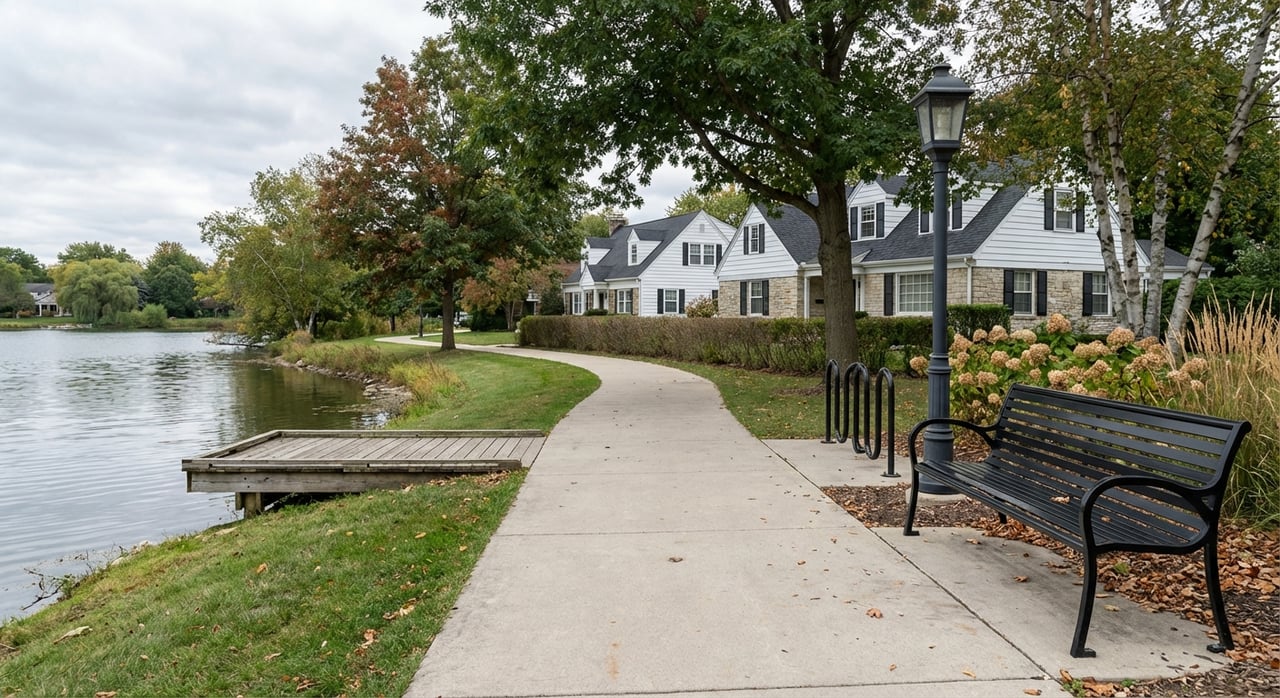
Linden Hills sits in southwest Minneapolis near Lake Harriet, Minnehaha Creek, and a network of trails and parks. Its walkable retail nodes and strong neighborhood identity create steady demand. Homes near the lakes and main retail corridors often attract more attention and sell faster when well priced.
Homes you will see
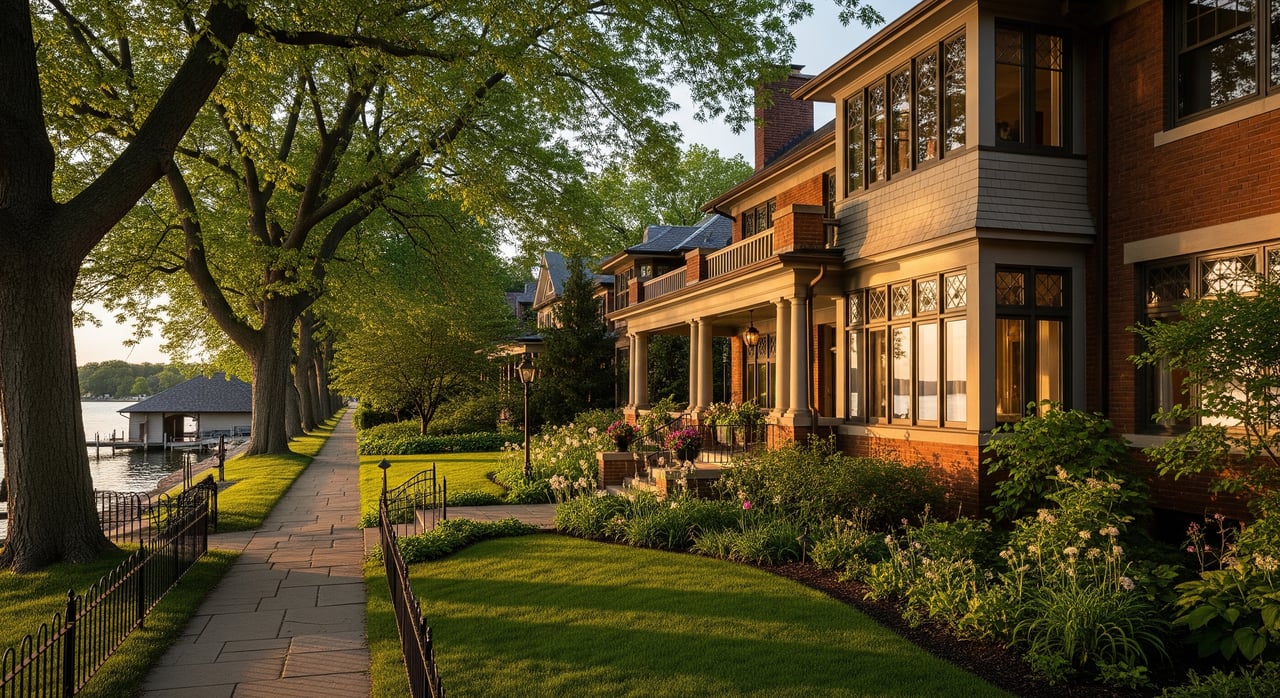
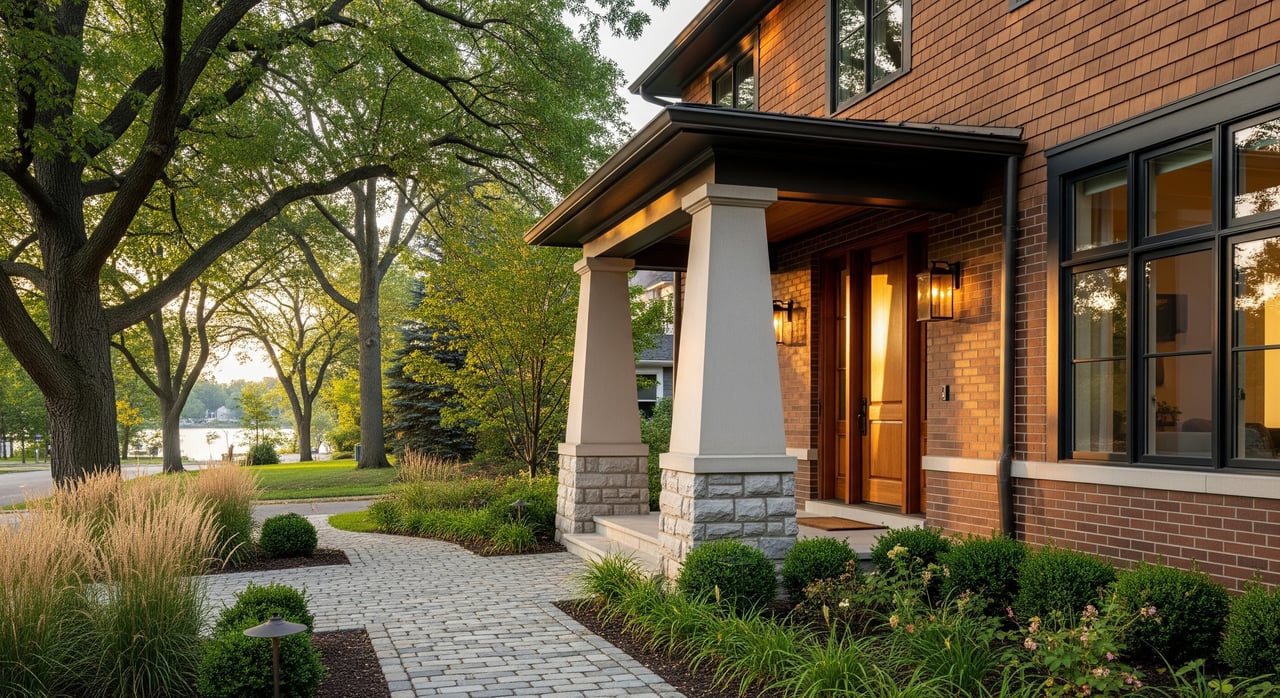
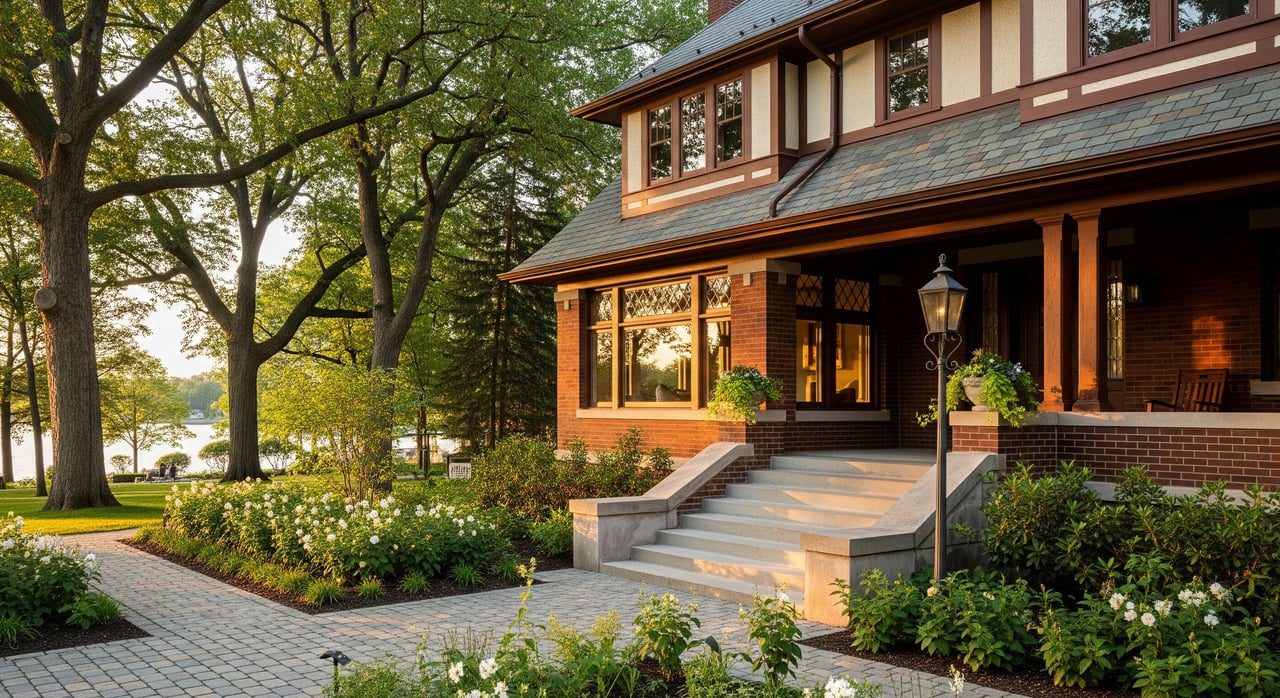
You will mostly find early 20th‑century “streetcar suburb” homes. Common styles include bungalows, Craftsman, Colonial Revival, foursquare, and smaller two‑story houses built between 1900 and 1940. There are also select duplexes and a small number of newer infill townhomes or condos near commercial corridors.
Lots and layout realities
Lots tend to be narrower and yards smaller than many west‑suburban parcels. That impacts privacy, garage placement, and expansion potential. If you want a large yard or big outbuildings, you may compare city homes with west‑metro options.
The near‑lake premium
Proximity to Lake Harriet, Minnehaha Creek, and retail brings a price premium and faster market activity. Move‑in‑ready homes close to these amenities often see multiple offers.
City vs west‑metro tradeoffs
- Linden Hills strengths: walkability, parks and lakes access, character homes, and a tight neighborhood feel. Expect smaller lots and potential renovation needs in older properties.
- West‑metro strengths: larger lots, more garage and parking options, and a wider selection of newer construction. Per‑square‑foot costs may be different for comparable space.
- Your decision: weigh commute habits, desire for walkability and green space, lot size needs, renovation tolerance, and budget for a premium location near the lakes.
How to prepare to buy in Linden Hills
Step 1: Financial preparation
Get a full mortgage pre‑approval, not just a pre‑qualification. Sellers and listing agents in competitive areas expect a clear, current pre‑approval letter with lender contact info. Gather proof of funds for earnest money and closing costs. If you are a first‑time buyer, explore down payment assistance programs available through state or city sources.
Step 2: Hire a local buyer’s agent
Choose an agent with recent experience in Linden Hills and its micro‑markets. A local expert can flag coming‑soon opportunities, advise on street‑by‑street dynamics, and help you set the right terms in a multiple‑offer setting. Strong communication between your agent and the listing agent can influence outcomes.
Step 3: Set search criteria and tour
Use filters that reflect the neighborhood’s housing stock. Consider year built, lot size and width, garage or off‑street parking needs, proximity to Lake Harriet or the creek, and basement finish potential. Walk blocks at different times to note parking rules, tree canopy, noise from arterial roads, and drainage or slope.
Step 4: Build a winning offer strategy
Prepare a clean offer package with your pre‑approval and proof of funds. Discuss strategic options with your agent and lender:
- Escalation clause with a cap
- Appraisal‑gap coverage or funds for a shortfall
- Larger earnest money to show commitment
- Flexible closing date or rent‑back if the seller needs time
- Limited contingencies where appropriate, while keeping key protections
- A personal note to the seller can matter in some cases, though financial terms carry the most weight
Step 5: Inspections, contingencies, and negotiation
Older homes require focused due diligence. Standard inspections often include a general home inspection, radon testing, and a sewer or drain scope. Be aware of potential lead paint in pre‑1978 homes. Prioritize health, safety, and major systems in any repair negotiations, since sellers in hot markets may resist cosmetic requests.
Step 6: Closing and next steps
Plan for a typical Minnesota closing timeline once you reach mutual acceptance. Confirm closing costs with your lender and title company and review title insurance, transfer tax, and recording fees. After closing, budget for near‑term maintenance like roof, mechanicals, insulation, and windows common to older homes.
What to inspect in older Linden Hills homes
- Foundations and drainage: check grading, gutters, downspouts, and any signs of settling
- Electrical systems: look for older fuse panels, knob‑and‑tube wiring, or undersized service
- Plumbing: evaluate galvanized supply lines and cast‑iron drains for age and leaks
- HVAC and insulation: assess efficiency and remaining life of systems and insulation
- Roof and flashing: understand age, condition, and replacement costs
- Lead paint and asbestos: expect lead risk in pre‑1978 homes and potential asbestos in some materials
- Radon: Minnesota homes often need testing and, at times, mitigation
- Sewer line: older lines may warrant a scope to plan for future costs
Renovation planning and zoning limits
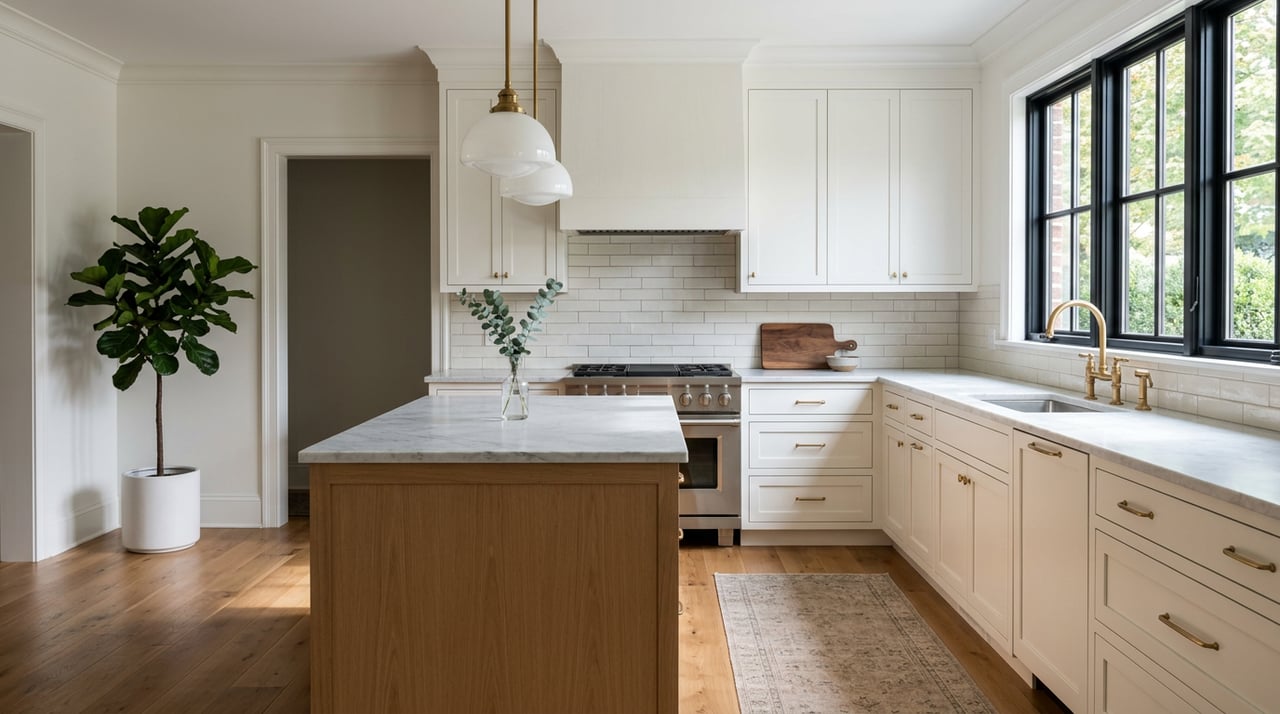
Lot width and coverage rules can limit additions. Check City of Minneapolis setback and permitting requirements before planning expansions or new garages. Basements may be improved for living space, but review waterproofing needs and egress rules. Many buyers choose to preserve original millwork and windows while upgrading systems for efficiency.
A simple checklist and timeline
Buyer checklist
- Get pre‑approved and gather proof of funds
- Hire a Linden Hills‑experienced buyer’s agent
- Define must‑haves vs nice‑to‑haves, including lot size and parking
- Tour homes and walk blocks at different times
- Order targeted inspections: general, radon, and sewer scope if needed
- Craft a competitive offer with the right terms and contingencies
- Coordinate title, lender, and closing logistics
- Plan for immediate post‑close maintenance and upgrades
Typical timelines
- Pre‑approval: a few days to 1–2 weeks
- Offer timing: often within 24–72 hours of listing in competitive cases
- Inspection window: usually 7–14 days, negotiable
- Closing: commonly 30–45 days after acceptance, adjustable by agreement
Smart strategies for multiple offers
- Lead with strong financing and a complete pre‑approval
- Use an escalation clause with a clear cap you are comfortable with
- Consider appraisal‑gap coverage if supported by your finances
- Strengthen earnest money to signal commitment
- Offer a flexible closing date or rent‑back if it helps the seller
- Keep critical protections but streamline contingencies thoughtfully
- Avoid waiving inspections without a plan, such as a pre‑inspection
Resources to consult
- Local MLS data for current pricing, days on market, and absorption trends
- City of Minneapolis planning and permitting for zoning and setback rules
- Hennepin County property search and GIS for parcel details and tax records
- Minnesota Department of Health for radon and lead guidance
- Minnesota Association of REALTORS forms for contract structure and timelines
Ready to start your search?
Buying in Linden Hills is about matching character homes and lakeside access with a smart plan for competition and maintenance. With the right prep, you can move fast and still protect your interests. If you want a local, hands‑on partner to guide the process from strategy to keys, connect with Kelly Bollinger.
FAQs
What makes Linden Hills different for buyers?
- Early 20th‑century homes, smaller city lots, and a near‑lake lifestyle create strong demand and faster activity on well‑priced listings.
How competitive are near‑lake homes in Linden Hills?
- Homes close to Lake Harriet, Minnehaha Creek, and retail corridors often draw multiple offers when move‑in‑ready and priced well.
Which inspections are essential for older Linden Hills homes?
- A general home inspection, radon test, and a sewer scope are common, with lead paint awareness for pre‑1978 properties.
How can I compete without taking on too much risk?
- Pair strong financing with targeted terms like an escalation clause and appraisal‑gap planning, while keeping key protections such as inspections.
Are additions or new garages possible on Linden Hills lots?
- Many lots are narrow, and zoning rules limit coverage and setbacks, so confirm feasibility with City of Minneapolis permitting before you plan.