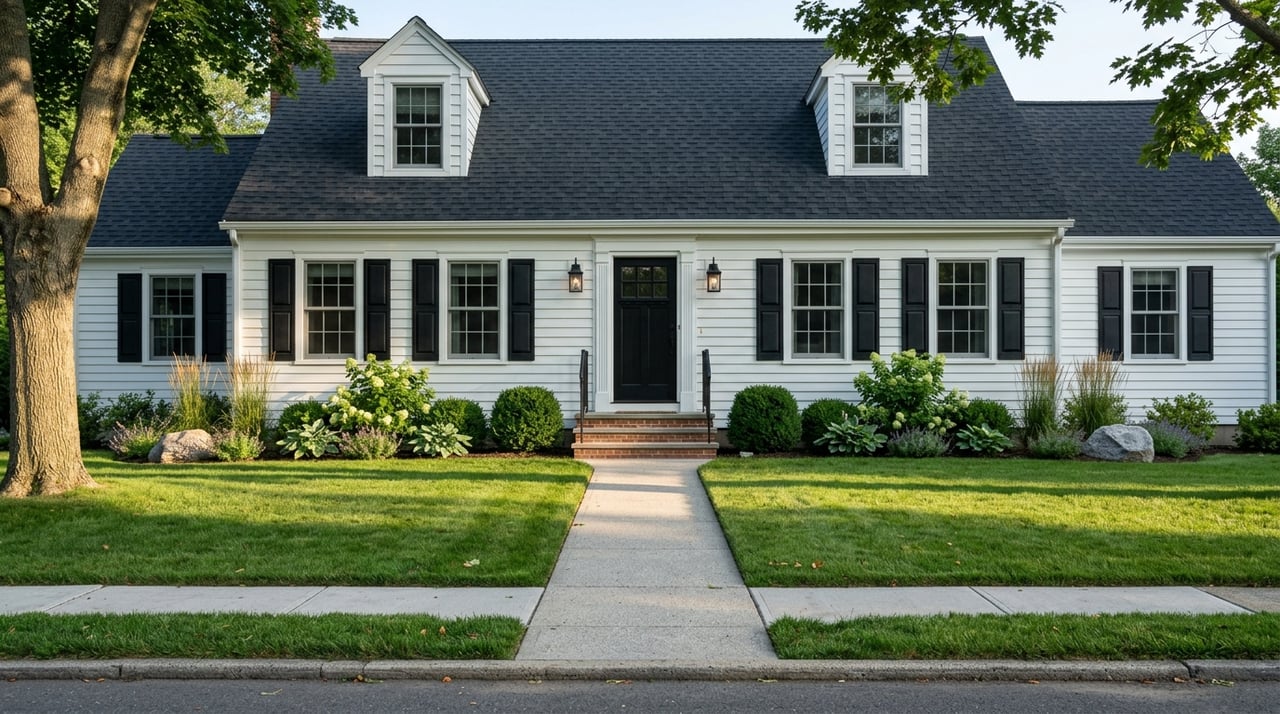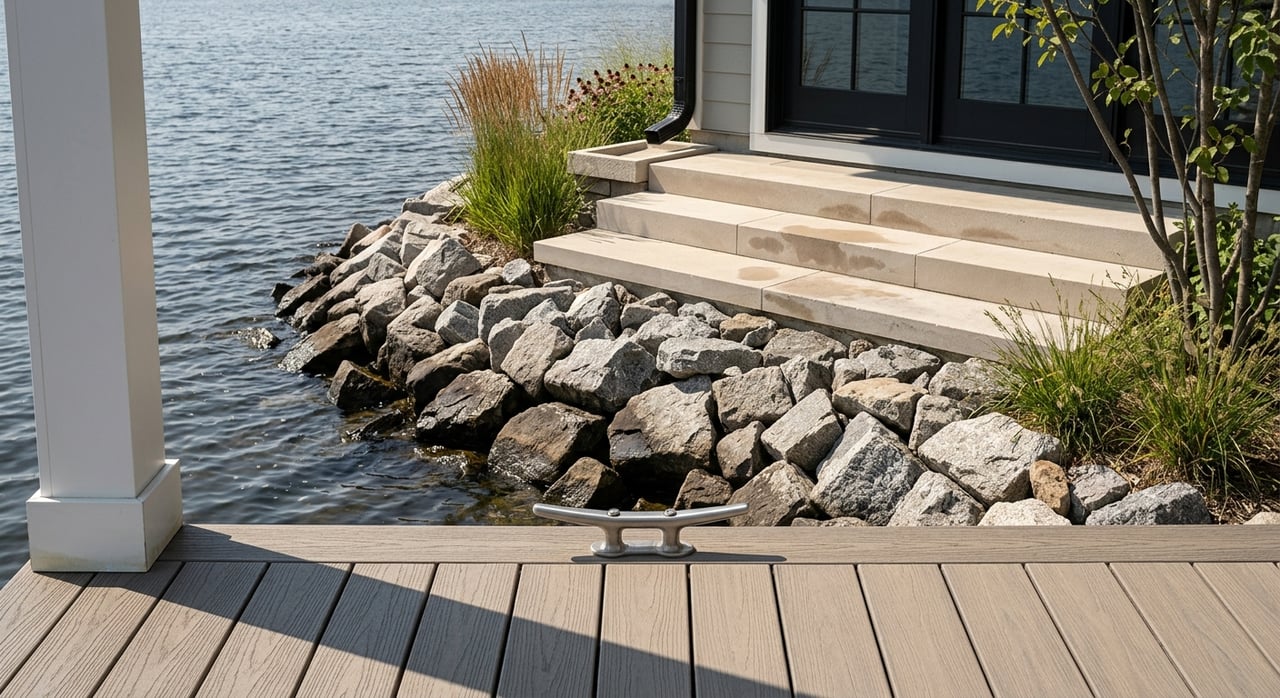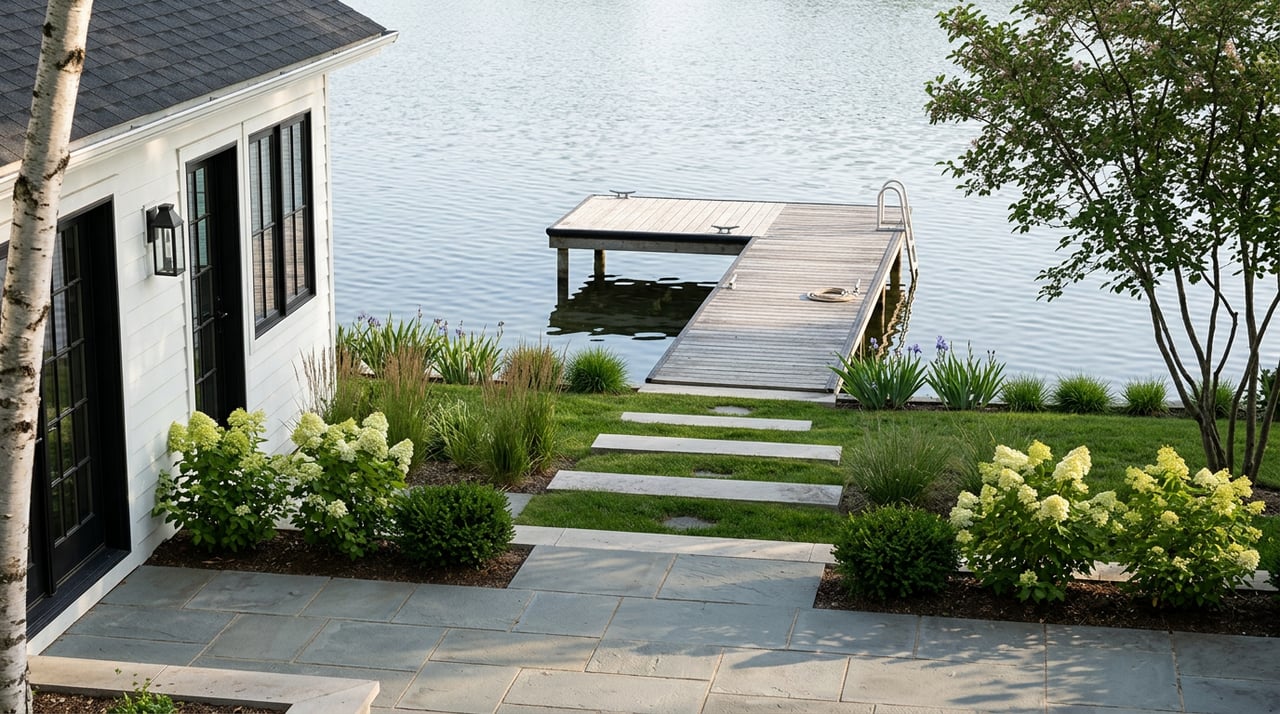
Picture your morning starting with glassy water, loons calling, and a quick commute into the city when you need it. If you’re weighing a move to Orono on Lake Minnetonka, you probably want the lake lifestyle without giving up everyday convenience. This guide gives you a clear look at how life actually works on the water in Orono, from public access and boating rules to lot sizes, setbacks, docks, and seasonal rhythms. Let’s dive in.
Why Orono fits lake life
Orono blends a close-to-city location with a calmer, low-density feel. Many residents commute to Minneapolis in roughly 20 to 35 minutes depending on route and traffic. The city had 8,315 residents at the 2020 Census, and recent owner-occupied home values are well above the national median, which reflects the area’s premium lake and estate properties. You can explore the latest population and housing context in the U.S. Census Bureau’s Orono profile for added perspective on the market and community makeup. See Orono QuickFacts.
A defining feature of Orono is its planning history. Large-lot zoning has protected open space and the lake’s watershed for decades, which shapes everything from neighborhood character to what you can build. The city’s planning documents explain how a 1975 rezoning set low-density standards that still guide development today. Review the city’s planning foundation.
Getting on the water
Public launches and beaches
You have straightforward ways to get on Lake Minnetonka from Orono. The City lists concrete public boat launches at Maxwell Bay and the North Arm. You’ll also find small lakeshore parks and swim spots along Orono’s shoreline, including established neighborhood beaches. For exact launch names, rules, and day-use details, start with the City’s official list. Check Orono’s Lake Access Points.
Marinas, slips, and charters
Orono offers a mix of private lakeshore living and public access. Full-service public marinas are more limited in Orono than in neighboring lake towns, so many residents rely on private docks, HOA slip programs, or nearby marinas. Lake-wide rules, navigation markers, and charter activity are managed by the Lake Minnetonka Conservation District (LMCD) and Hennepin County. Expect visible buoy networks, quiet zones, and seasonal licensed charters throughout the lake. Explore LMCD lake maps and markers.
Lake rules you will notice
Lake Minnetonka operates with clear safety and etiquette standards. LMCD and Hennepin County set and enforce quiet zones, navigation markers, and slow/no-wake buffers. A common baseline on the lake is slow/no wake within at least 150 feet of shore and docks, with larger buffers for repetitive personal watercraft passes. You will see buoys marking controlled areas and quiet water in certain bays. These rules shape where you can ski, tube, or anchor, and they help keep near-shore areas calmer for swimming and paddling. For current markers and guidance, use the LMCD map resources. See LMCD’s lake rules and zones.
Lots, setbacks, and what you can build
Orono’s character is rooted in low-density zoning. Roughly 80 percent of the city uses a 2-acre minimum lot size, with a 5-acre minimum in parts of northwest Orono. That creates room for privacy, long driveways, and a more rural feel near the lake. The trade-off is that smaller infill parcels are rare, and lakeshore buildable areas are tightly defined by setbacks and natural features. Read the city’s planning foundation.
Shoreland overlay basics
Most lakeshore parcels fall under Orono’s Shoreland Overlay, which sets shoreline setbacks, protects bluffs and vegetative areas, and defines how close you can build to the water. These rules affect house placement, accessory structures, driveway routes, and even landscape changes like retaining walls. If you are considering a renovation or a new build on the lake, start with the overlay map and code language to understand your build envelope. View the Shoreland Overlay map and guidance.
Sewer vs. septic
Orono manages growth by extending municipal sewer to targeted areas while maintaining larger lots that support on-site septic in others. Whether a property is on sewer or septic can influence floor plan changes, additions, and long-term costs. Future sewer extensions may also factor into your plans. The city’s planning materials explain how these decisions support water quality and neighborhood character. See planning background on utilities and lot sizes.
Docks, lifts, and permits
Docking on Lake Minnetonka is governed by a combination of City of Orono ordinances, LMCD rules, and county or state water-access regulations. Existing docks may be grandfathered under prior approvals, but replacement or expansion often requires city permits and, in many cases, LMCD licensing. Seasonal timing matters in Minnesota given ice and water level changes, and LMCD rules cover mooring, multiple-dock licenses, and buoy placement. Always verify the current path for your property with both the City and LMCD before you commit to plans. Review Orono’s recent ordinance updates and LMCD lake rules.
Everyday rhythms on the lake
Summer life
Summer is peak season. Daily life revolves around boating, paddleboarding, sailing in protected bays, and afternoons at nearby beaches. You will see LMCD and county water patrols, a network of buoys, and seasonal licensed charters and transient docks operating around the lake. The energy varies by bay, but weekends bring a steady rhythm of cruising, anchoring, and dockside entertaining. Check LMCD maps and charter information.
Winter shift
When the lake freezes, routines pivot to ice fishing, skating, and snowmobiling. Orono tracks ice conditions and posts guidance each season. Historically, average ice-out for Lake Minnetonka lands around mid-April, but conditions vary and safety comes first. If you own a dock or lift, you will plan around winterization and spring reinstallation. Follow Orono’s winter closures and safety updates.
Maintenance to expect
Owning on the water brings a reliable set of upkeep tasks. Plan for:
- Dock and lift install and removal, plus seasonal tune-ups.
- Shoreline erosion control and occasional retaining-wall repairs.
- Vegetation management within shore setbacks.
- Spring boat prep and fall winterization.
The City actively manages vegetation and shoreline alterations through code updates, so review current guidance when planning projects. See recent zoning and shoreline amendments.
Water quality and AIS awareness
Lake Minnetonka has long-running programs to address aquatic invasive species such as zebra mussels, Eurasian watermilfoil, and curly-leaf pondweed. You should expect awareness checks, inspections, or decontamination steps when moving boats between lakes. Staying informed helps protect the lake you call home and keeps your gear in good working shape. Learn about AIS on Lake Minnetonka.
Schools and daily services
Orono Public Schools serve the area with a central campus model and a range of academic and activity programs. If schools factor into your decision, review official boundaries and offerings directly with the district. Visit Orono Public Schools. Everyday services, from groceries to dining and marinas, cluster around nearby lake towns and hubs, giving you options without long drives.
Buyer checklist for Orono lake living
Use this quick checklist to start your due diligence:
- Verify dock status and permits. Ask the seller for historical approvals and confirm current rules with the City and LMCD. Start with Orono’s ordinance page and LMCD’s lake maps.
- Confirm sewer vs. septic and any planned sewer extensions. Review planning background.
- Map your buildable area. Check shoreline setbacks, bluffs, and wetland buffers. Use the Shoreland Overlay map.
- Budget for seasonal costs. Include dock and lift work, shore stabilization, winterization, and boat storage.
- Plan your access. Note public launch locations and seasonal parking rules. See Lake Access Points.
- Know the lake rules. Understand quiet zones and slow/no-wake buffers for your bay. Check LMCD resources.
What homes cost and what to expect
Active market medians in Orono have recently sat in the 1 million dollar plus range according to market trackers, though numbers change quickly by season and lake proximity. Expect a mix of classic cottages on smaller historic lots near the water, plus larger estate-style homes on multi-acre parcels inland or along the shoreline where setbacks allow. Your price and options will vary by bay, frontage type, and whether a property is on sewer or septic. A focused search with a local expert helps you match lifestyle goals with the right lot, shoreline, and budget.
Is Orono right for you?
If you want everyday lake access, a calmer feel, and space to spread out, Orono is an excellent fit. You will trade some density and walkability for bigger lots, stronger shoreline protections, and a well-managed lake experience. With clear rules, defined access points, and a predictable seasonal rhythm, you can plan your lake life with confidence.
If you are ready to explore homes on or near the water, let’s talk about your goals, timing, and budget. You will get clear guidance on docks, setbacks, utilities, and value drivers so you can buy with confidence. Reach out to Kelly Bollinger to schedule a conversation and start your search.
FAQs
Where can I launch a boat in Orono on Lake Minnetonka?
- The City lists public concrete launches at Maxwell Bay and the North Arm, along with other shoreline access details. Check Orono’s Lake Access Points.
How close do boats come to shore on Lake Minnetonka near Orono?
- LMCD rules establish slow or no wake within at least 150 feet of shore and docks, with quiet zones marked by buoys in certain areas. See LMCD lake maps and markers.
Can I add or expand a dock on an Orono lake lot?
- Dock work typically involves both City permits and LMCD rules, and expansions often require approvals; verify current standards early. Start with Orono’s ordinance updates.
What lot sizes are common in Orono and how does that affect building?
- Much of Orono follows a 2-acre minimum, with a 5-acre minimum in parts of the northwest; shoreland setbacks and bluffs further shape buildable area. Review planning and shoreland maps.
When does Lake Minnetonka usually open for boating each spring?
- The average ice-out is around mid-April, but conditions vary; check the City’s seasonal lake closing and safety notices. Follow Orono’s winter guidance.
Where can I learn about Orono Public Schools?
- Visit the district’s site for boundaries and program details. See Orono Public Schools.