Is your timing helping or hurting your move? In the west metro, the housing market follows a reliable seasonal rhythm that can shape your price, your options, and your stress level. If you are planning a move in or out of Chanhassen, knowing when buyers surge and when listings thin out can give you a real edge. In this guide, you will learn how the year typically unfolds, what it means for your strategy, and how to plan your timeline with confidence. Let’s dive in.
Why seasonality matters in Chanhassen
The Twin Cities see a strong spring peak, a smaller early fall window, and a winter slowdown. In Minnesota, weather magnifies those swings. Cold months reduce curb appeal, complicate inspections, and make moving harder, while spring reveals yards, boosts weekend showings, and draws families targeting summer closings.
These patterns are driven by life cycles, school calendars, and seller behavior. Many sellers list in spring to capture peak buyer traffic, and many buyers start shopping in late winter to close in May or June. Local market reports for west-metro suburbs consistently reflect this curve. Seasonality is a tendency, not a rule, so interest rates, remote work shifts, and relocation cycles can bend the curve year to year.
Month-by-month guide
January to February: Winter low
Inventory is often at its lowest as many owners wait for spring. Showings are slower, but the buyers who are out tend to be serious and motivated. Sellers who list now may need more flexibility on price or terms unless the home is a standout.
Local note: Cold weather and short daylight reduce curb appeal in Chanhassen. Families rarely plan a move during the school year, which keeps activity quieter.
March to April: Spring kick-off
New listings begin to rise as sellers prep for market. Buyer traffic picks up quickly and weekend open houses get busier. Competition increases, and well-priced homes are more likely to see multiple offers.
Local note: As landscaping wakes up, photos and in-person impressions improve. Families start shopping to close by early summer.
May to June: Peak season
Inventory and buyer demand are typically at their yearly high. Sellers often capture top dollar and faster timelines if pricing and presentation are on point. List-to-sale price ratios tend to be strongest in this window.
Local note: This is a sweet spot for families targeting a summer move to be settled before the next school year.
July to August: High but tapering
Inventory remains healthy, though vacations can soften weekend traffic. Some price segments start to cool, while desirable homes still move well. Buyers and sellers who need an end-of-summer closing stay active.
Local note: Expect mixed showing patterns around holidays and travel schedules.
September to October: Second-chance window
There is often a smaller wave of motivated sellers, including relocations and downsizers. Buyer traffic is moderate and focused. This can be a good opportunity for buyers to find motivated sellers and for sellers to capture solid offers with thoughtful pricing.
Local note: Some families who missed spring list now to move before the holiday season.
November to December: Holiday slowdown
Listings decline as owners pause until spring. Showings are lighter, but buyers who remain in the market are serious. Price leverage often shifts toward buyers, so sellers may need competitive pricing and flexible terms.
Local note: Winter storms and holiday calendars thin casual traffic. Cozy staging and warm, well-lit photography help listings stand out.
How inventory, pricing, and showings shape your advantage
- Inventory: Spring gives buyers more choices but also more competition. Winter offers fewer options but less buyer traffic, which can improve your negotiating power.
- Pricing: Spring and early summer put upward pressure on well-prepared listings. Late fall and winter tend to bring more concessions or softer pricing.
- Showings: Spring is the high tide for demand. Winter showings are fewer but often attract serious, motivated buyers.
Bottom line: Sellers aiming for maximum exposure usually target spring. Buyers seeking better leverage often focus on late fall or winter, or watch for older listings in other seasons.
Seller playbook: Timing and tactics
If your goal is the highest probable sale price:
- Target listing between late March and mid-June.
- Start prep 6 to 8 weeks earlier: repairs, decluttering, light updates, and scheduling professional photography when landscaping is ready.
- Price to capture early interest in the first 1 to 2 weeks. Be ready for open houses and multiple-offer strategies if demand surges.
If you need a faster or more certain closing:
- Consider late summer or early fall. There are fewer listings than spring but still steady buyers.
- For winter moves, plan for more price flexibility but take advantage of reduced competition.
Presentation that pays off:
- Leverage professional staging and photo-first marketing to maximize first impressions.
- Consider a concierge-style approach for fronted improvements, so you can list polished without upfront hassle.
Buyer playbook: Strategy by season
If you want the best deal:
- Shop actively in late fall and winter when buyer traffic is lower and sellers may be more flexible.
- Get fully pre-approved and be ready to act quickly when a good opportunity hits the market.
If you need to move between school years:
- Begin your search in March and April to go under contract in time for a late spring or summer closing.
- Focus on homes that check core boxes, since competition for the best listings is higher in spring.
Year-round pro tips:
- Watch days on market and price reductions to spot motivated sellers.
- Ask your agent for up-to-date local market snapshots for Chanhassen and Carver County to refine your timing.
Seasonal staging and listing tips
Winter listings:
- Lead with inviting interior photos. Use warm lighting and highlight spaces like finished basements, mudrooms, and heated garages.
- Keep walkways clear of snow and ice for safe, easy showings.
- Call out energy-efficient systems and recent HVAC maintenance.
Spring and summer listings:
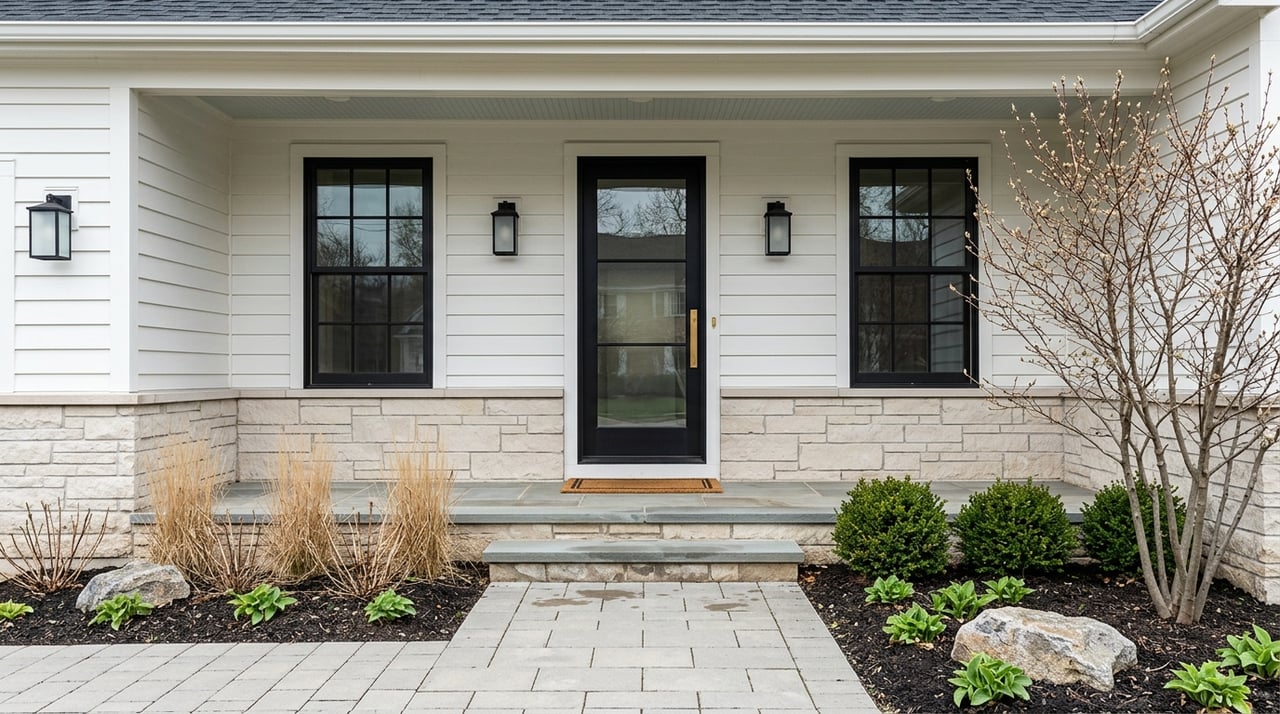
- Boost curb appeal with fresh mulch, trimmed shrubs, and clean entryways.
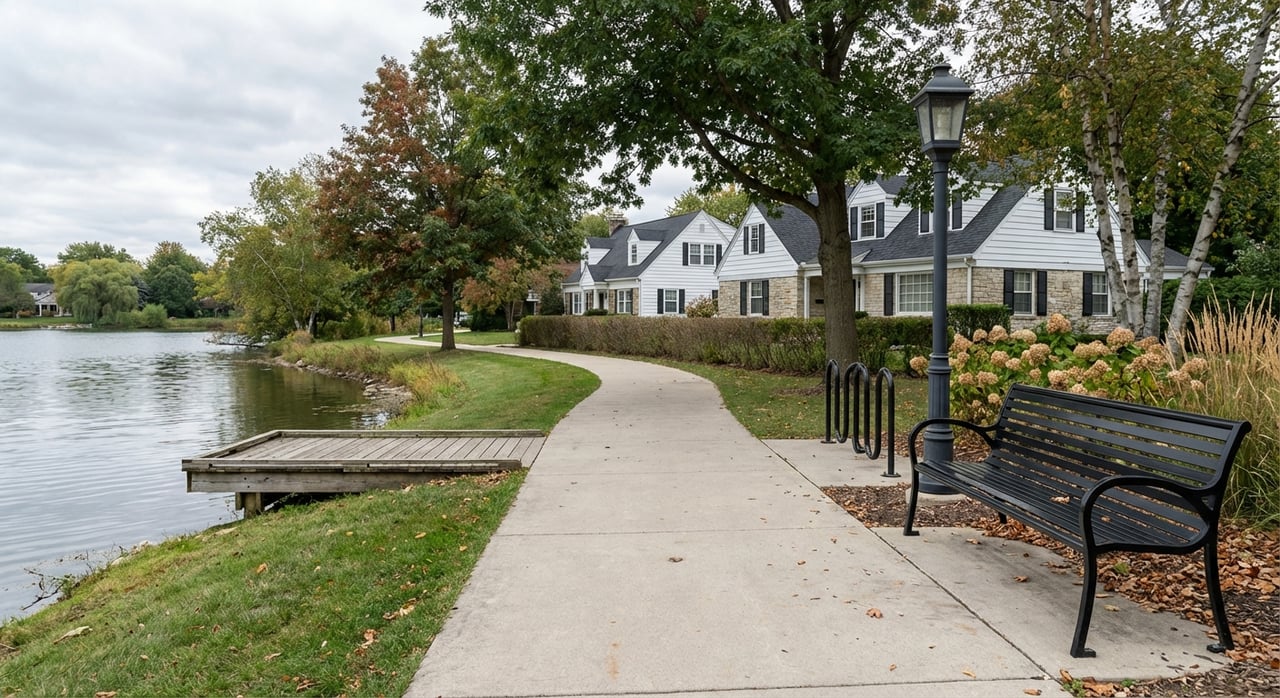
- Showcase outdoor living spaces and nearby parks or lakes.
- Time photos to capture green lawns and natural light.
Year-round upgrades that help:
- Professional photography, 3D or virtual tours, and accurate floor plans increase engagement in any season.
- Pre-listing inspections can surface seasonal issues early, from spring seepage to winter roof concerns.
Inspection, appraisal, and closing timing
- Winter: Exterior inspections can be delayed by snow and ice. Plan contract language around snow removal and access. Schedule furnace and mechanical checks.
- Spring: Thaw can reveal roof or drainage issues. Address visible fixes before listing when possible.
- Peak season: Appraisers and lenders get busy. Build in extra time for scheduling and underwriting.
Plan backward from your deadline
If you want to be moved by August, consider this sample timeline:
- February to March: Consult your agent, set your plan, and begin light updates and decluttering.
- March to April: Complete repairs, schedule staging, and book photography as the yard greens up.
- April to May: List, host open houses, review offers, and negotiate terms.
- May to June: Inspections, appraisal, and lender milestones.
- June to July: Final preparations, packing, and closing.
Adjust your plan for school calendars, relocation packages, or new-job start dates. If timing does not line up perfectly, consider options like temporary rent-backs or short-term housing.
Local factors that influence timing
- Commute and work patterns: Remote and hybrid schedules can flatten traditional peaks and broaden your buyer pool beyond daily commuters.
- School calendars: Many families plan spring listings and summer moves to avoid mid-year changes.
- Weather realities: Snow, ice, and shorter days affect curb appeal, inspections, and moving logistics. Preparation and flexibility go a long way.
- Lifestyle visibility: Parks, lakes, and community amenities show best in warm months. In winter, emphasize interior comfort and year-round maintenance.
Ready to choose the right window?
Seasonality gives you a useful framework, and the west-metro follows it closely. Still, each year brings its own twists. Before you pick dates, review the latest local market snapshots for Chanhassen and Carver County and tailor your plan to your goals, budget, and life timeline. If you want a hands-on partner to map your strategy, prep your home, and market it with polish, reach out to Kelly Bollinger.
FAQs
When will I get the best price for my Chanhassen home?
- Late spring and early summer generally offer the strongest combination of buyer traffic and pricing power when your home is well prepared and well priced.
Can I get a good deal buying in winter in Chanhassen?
- Yes. With fewer buyers in the market, you can often negotiate more on price or terms, though you will have fewer homes to choose from.
How early should we list if we want to move before the next school year?
- Start prepping 6 to 8 weeks ahead and plan to list between March and May to allow time for showings, inspections, appraisal, and a summer closing.
Do luxury homes in Carver County follow the same seasonal pattern?
- Luxury listings often follow the same seasonal tilt but usually take longer to market and can show smaller short-term price swings.
How much should seasonality influence my asking price?
- Use recent local comps and market velocity indicators like days on market to set pricing; seasonality shapes buyer behavior, but smart pricing is always local.
Is fall a good time to sell in the west metro?
- Early fall can be a solid window with motivated buyers and fewer competing listings than spring, especially if your pricing and presentation are dialed in.