A buyer relocating from out of state closes on a five-bedroom home outside downtown Chanhassen, confident everything is buttoned up because the seller disclosure form listed the well and septic system as compliant. Then the lender's underwriter asks for a county compliance inspection anyway, because Minnesota state law does not require one at the point of sale even though it requires disclosure. The closing gets pushed back two weeks while a licensed inspector opens the tank.
That gap between disclosure and inspection is a small thing until it happens to you. It is also a decent metaphor for what is going on with Chanhassen home prices right now. The headline numbers look fine on paper. Underneath them, two different markets are pulling in opposite directions, and a single figure on a portal cannot tell you which one you are actually shopping in.
Two Ways to Measure the Same City, Two Different Answers
Start with a small confession about how messy this data actually is, because it makes the point better than a clean number would. One real estate data page for Chanhassen currently shows an average sale price of $553,000, down 15 percent from a year earlier, sitting right next to a median sale price of $620,000, up nearly 15 percent. Look closer and that median traces back to a June 2025 reporting cycle that never fully refreshed, more than a year old at this point, while the average next to it appears to be genuinely current. Two numbers on the same page, presented as if they describe the same moment, and they do not.
A separate local market recap tied to the Minnesota Realtors April 2026 report cited a Chanhassen median closer to $517,233, with homes averaging 19 days on market and a 101.0 percent sale-to-list ratio. That same recap noted 46 percent of homes sold above list price while 18.7 percent took a price cut.
None of this is a malfunction. It is a reminder that headline numbers are measuring different windows and different samples of the same city, and homes here trade in small enough volume, roughly 40 to 45 closings a month, that a handful of unusually large or unusually modest sales can swing an average hard even when the underlying market hasn't moved much at all. The median is steadier, but it still depends entirely on which homes happened to close during whatever window someone measured.
For a buyer comparing Chanhassen to Wayzata or Excelsior, the practical lesson is this: stop asking what Chanhassen homes cost and start asking what a specific type of Chanhassen home costs, in a specific part of the city, right now. The citywide number is an average of several markets that do not behave alike.
Why This Is Happening: Avienda Is Building Two Very Different Housing Products at Once
The clearest driver of that mix shift sits at the corner of Highway 212 and Powers Boulevard, where the Avienda development has spent the past several years adding both ends of the price spectrum to Chanhassen's housing stock in the same few hundred acres.
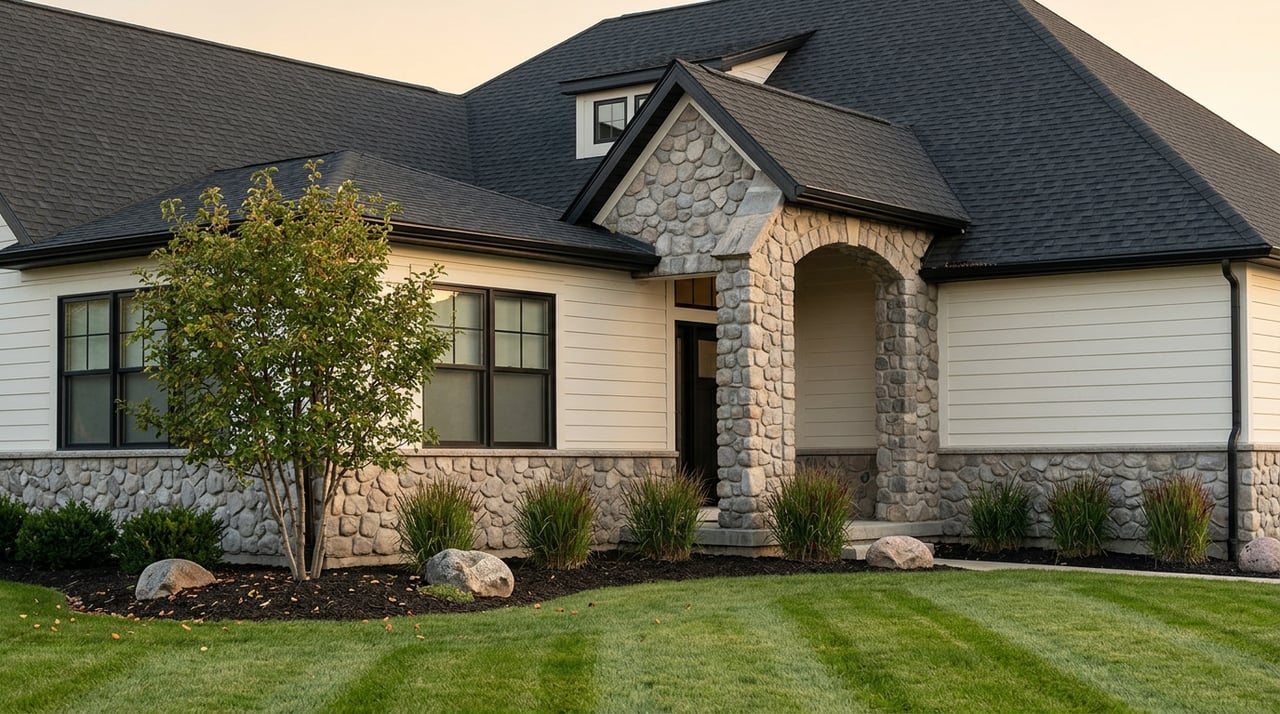
On the upper end, Charles Cudd Co. is building Avienda Village, a collection of luxury villa homes with pricing that ranges from the upper $800,000s for slab-on-grade units up to $1.5 million to $1.7 million for the Enclave Executive Courtyard plans with three-car garages. These are association-maintained, low-maintenance homes aimed at buyers who want new construction without acreage to manage.
At the other end, Dorn Companies broke ground on a 412-unit apartment building within Avienda, and the developer recently signed a lease with a grocer for a 65,000 square foot store that will include a wine and spirits section and four fuel pumps. That is a meaningfully different retail anchor than the walkable, dining-and-boutique district originally pitched to the city.
The Chanhassen City Council has said so publicly, more than once. Back in January 2026, the council's own recap noted broad concern among members about a perceived shift away from the original vision of a high-end, walkable destination toward a more auto-oriented, commercial development, and asked future proposals to better reflect long-standing community expectations. That concern had not resolved by early summer. As recently as a work session on June 22, 2026, the council reviewed an updated sketch plan for the retail portion and again raised concerns, ultimately agreeing with the developer that a formal visioning session would be needed to move the project forward. In other words, as of this writing the retail heart of Avienda still does not have a settled plan.
None of that makes Avienda a bad buy. It makes Avienda an unsettled one. If you are choosing a home there partly because of a walkable-village image you saw in early renderings, you should know that image is still being negotiated at the council level, not finished.
What the Established Neighborhoods Are Doing While Avienda Sorts Itself Out
Away from the Avienda corner, Chanhassen's older subdivisions are transacting on their own terms.
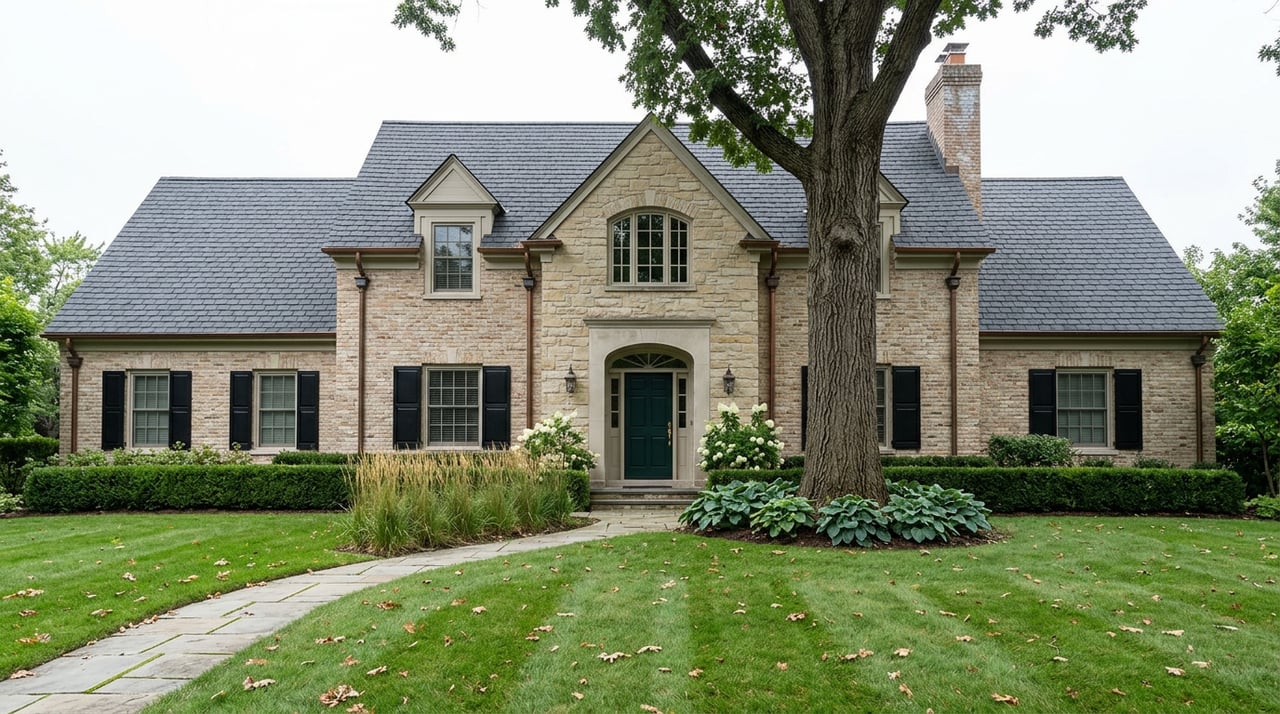
Foxwood, a wooded, executive-lot community near Fox Woods Nature Preserve, sits close to Lake Riley and Bandimere Park with easy access to Highway 101 and 212. Lake Riley Highlands and the Bluffs at Lake Lucy are two more established names buyers cross-shop against new construction, each with its own pricing rhythm tied to lot size and lake proximity rather than builder incentives.
Settlers West is a useful example of how blurry the new-versus-resale line has become even outside Avienda. A five-bedroom, 5,625 square foot home there listed this summer at $1,695,000, built in 2026, meaning it is competing directly with Avienda's luxury villas on price even though it sits in an established neighborhood with larger lots and a different HOA structure.
Buyers weighing an established neighborhood this year should also factor in construction season disruption, since the city has two street reconstruction projects underway that will run through the season. Fox Hollow is getting a full street reconstruction with new watermain and storm sewer, and Vasserman Ridge is scheduled for a mill and overlay with curb and sidewalk repair. Separately, the long-planned Market Boulevard project, originally scoped as a full reconstruction with dual roundabouts, was scaled back to a more targeted pavement rehabilitation that includes widening at the railroad crossing and a signal replacement at West 78th Street. None of this changes long-term value, but it is the kind of daily-life detail that a portal listing will not tell you and a drive-by showing might miss if you are only in town for a weekend.
The Disclosure Gap: Septic and Well Rules Are Not as Uniform as the Paperwork Suggests
This is where the closing-table scenario at the top of this piece becomes relevant to anyone looking at Chanhassen's less densely developed pockets. Minnesota law requires sellers to disclose the location and status of any known wells before a purchase agreement is signed, and if a property has a septic system, the disclosure must include a map showing its location and an indication of whether it complies with current standards, to the seller's knowledge. What the law does not do statewide is require a compliance inspection at the point of sale. That decision is left to counties, cities, and townships, and it varies. Some jurisdictions, especially in shoreland areas, require it. Others only require the disclosure itself and leave inspection up to the buyer's lender or the buyer's own diligence.
Chanhassen's own Building Inspections Division specifically administers septic tank and RPZ maintenance programs for the city, which signals that septic compliance here is tracked at the municipal level rather than assumed to be covered by the standard state disclosure form alone. If you are buying an older home outside a sewered subdivision, the practical move is to ask directly whether the property has ever had a septic compliance inspection on file with the city, rather than relying on the disclosure form to answer that question for you. Lenders sometimes require their own compliance inspection regardless of what local ordinance says, and that requirement can surface late in the process if nobody asked about it early.
What This Means If You Are Comparing Chanhassen to Wayzata or Excelsior
Put these threads together and the picture of Chanhassen sharpens considerably. This is not one housing market appreciating uniformly. It is a new luxury villa product at Avienda, a new rental product at Avienda, an unresolved civic argument about what Avienda's retail core will actually feel like to walk through, several established wooded and lakeside subdivisions transacting at their own pace, active road construction in two named neighborhoods this season, and a disclosure system for wells and septic that assumes more buyer diligence than the paperwork alone provides.
A single median price cannot carry all of that. What can is a walk through the specific streets you are considering, a conversation about which builder or which decade built the home you are looking at, and a direct question to the city about septic compliance history before you are three weeks from closing.
If you are weighing Chanhassen against Wayzata, Excelsior, or another west metro suburb and want someone who will walk the actual streets with you instead of handing you a citywide average, Kelly Bollinger offers a complimentary home consultation to talk through what your budget actually buys in each neighborhood you are considering.
Frequently Asked Questions
Does Chanhassen require a septic compliance inspection before a home can be sold? Minnesota state law requires disclosure of a septic system's location and known compliance status, but it does not require a compliance inspection at every sale statewide. Individual counties, cities, and townships can add that requirement, particularly in shoreland areas, and lenders sometimes require one on their own even where local ordinance does not.
Is Avienda a finished development? No. The residential portions, including the Charles Cudd villas and the Dorn Companies apartment building, are under construction, while the retail and dining portion still lacks a settled plan. As of a June 2026 council work session, the city and developer agreed a formal visioning session was needed before the retail layout could move forward.
Why do different sources report different median home prices for Chanhassen? Because they are measuring different time windows and different samples of closed sales in a market with only around 40 to 45 transactions per month. A handful of unusually large or small sales, or a burst of new-construction closings, can move the average and median in different directions within the same reporting period.